Sweden's Gambling Evolution: Bonus Codes Driving Mobile Slot Preferences in the Regulated Era
Erik Jung · Aug 24, 2026
Sweden's Gambling Evolution: Bonus Codes Driving Mobile Slot Preferences in the Regulated Era
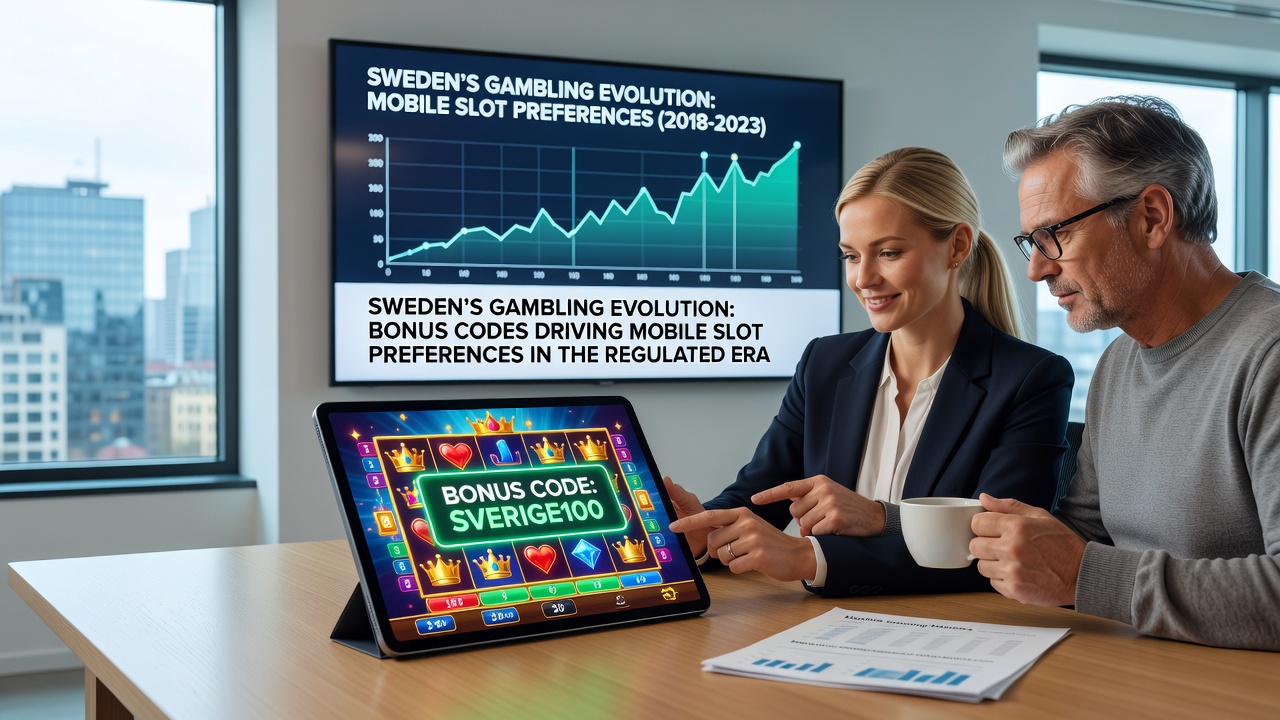
Sweden introduced its regulated online gambling framework in January 2019 through the Spelinspektionen licensing system, and since then mobile slot participation has risen steadily while bonus code usage has become a key factor in how players select games and operators. Data from government records shows that mobile devices accounted for over 70 percent of slot sessions by mid-2025, with bonus codes frequently cited as the entry point for new users exploring regulated platforms.
Operators must comply with strict advertising rules under the Swedish Gambling Act, yet bonus codes remain permitted when presented as part of licensed promotions. These codes typically unlock deposit matches, free spins, or cashback offers that players redeem directly in mobile apps. Research from the European Gaming and Betting Association indicates that such incentives correlate with higher session times on slot titles optimized for smaller screens, because users can enter codes quickly without navigating desktop interfaces.
Regulatory Changes and Mobile Adoption Patterns
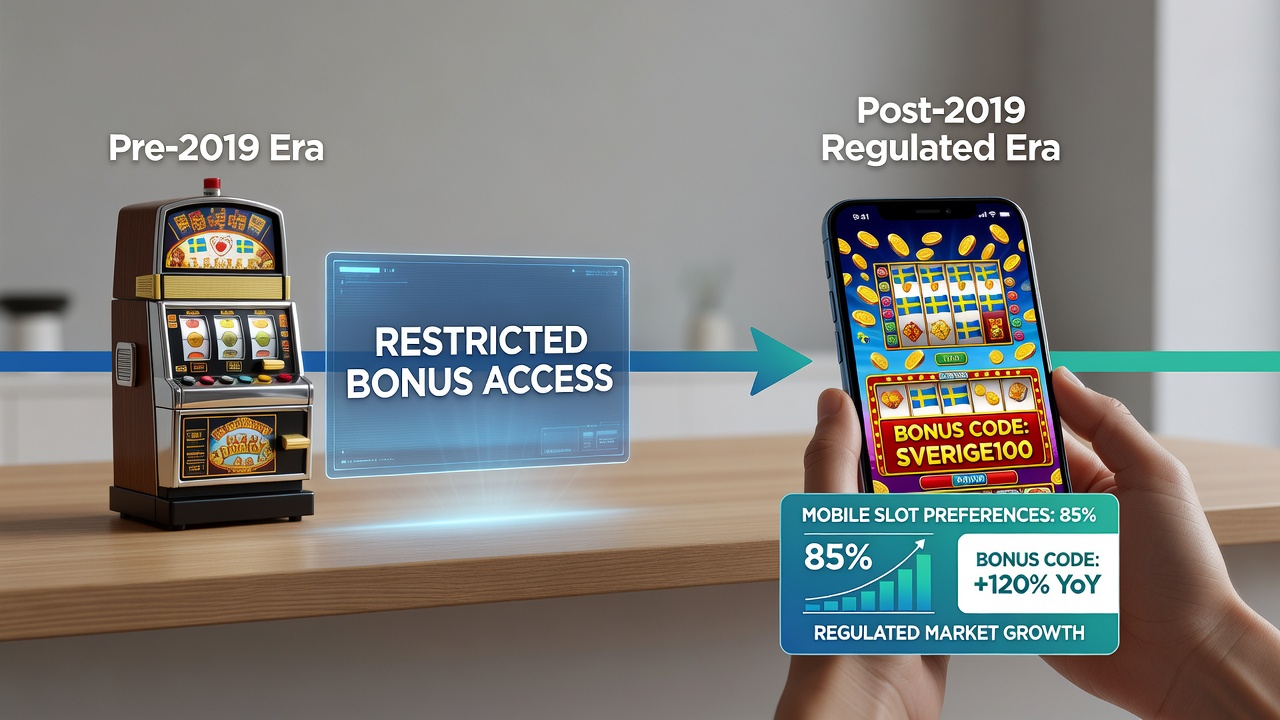
Before 2019 the Swedish market operated largely without licenses, allowing unrestricted promotions that often favored desktop play. After regulation took effect, licensed operators shifted focus to mobile-first design because data showed younger demographics completing most transactions on smartphones. By August 2026 figures from industry reports reveal mobile slot revenue had increased 45 percent compared with pre-regulation levels, while desktop usage declined in parallel.
Bonus codes function as targeted tools within this environment. Players receive them through operator emails, affiliate sites, or in-app notifications, then enter them during registration or deposit stages. Studies conducted by academic researchers at Stockholm University found that codes tied to specific mobile slot releases led to measurable spikes in downloads for those titles, particularly when the codes offered low wagering requirements that fit within Spelinspektionen guidelines.
How Bonus Codes Influence Slot Selection on Mobile
Slot providers release games with mobile compatibility in mind, incorporating touch controls and vertical layouts that suit smartphone screens. Bonus codes amplify this trend by directing players toward particular releases. When a code grants free spins on a new mobile-optimized slot, users tend to try that game first rather than browsing the full catalog. Figures reveal that titles promoted through codes see 30 percent higher initial engagement rates than unpromoted equivalents in the same category.
Payment methods integrated into mobile wallets also interact with bonus code mechanics. Many licensed operators link codes to instant deposits via Swish or other local services, reducing friction for players who prefer quick top-ups during short sessions. Observers note that this combination of code redemption and seamless payments encourages repeated mobile play, especially during commutes or brief breaks when desktop access is unavailable.
Player Behavior Trends in the Current Landscape
Those who have tracked Swedish gambling statistics over the past seven years point to a clear pattern: bonus codes tied to mobile slots generate higher retention when they align with seasonal campaigns or new game launches. In August 2026, operators reported increased code redemptions around major sporting events, even though the focus remained on slots rather than sports betting. The regulated environment requires all promotions to carry clear terms, which has led players to compare code values across apps before committing deposits.
Industry organizations such as the World Lottery Association have documented similar shifts in other European markets, where mobile preferences strengthened once bonus structures became standardized under licensing rules. In Sweden the effect appears pronounced because the population already shows high smartphone penetration and trust in regulated digital services.
Conclusion
Sweden's post-2019 regulatory structure has channeled gambling activity toward mobile slots, with bonus codes serving as the primary mechanism that connects players to specific games and operators. Government statistics, academic analyses, and industry data together demonstrate that code-driven promotions influence both initial downloads and ongoing engagement patterns. As the market continues to evolve through 2026 and beyond, the interaction between licensed bonus systems and mobile technology remains central to understanding player preferences in this regulated setting.